ANNOUNCEMENT OF THE 35TH GRADUATION CEREMONY,
14th Sep, 2026 1:46pm

Call Us
+256786995917 (WhatsApp Only), +256701235288Main Campus
Islamic University in Uganda, Kumi Road, P.O.BOX 2555 Mbale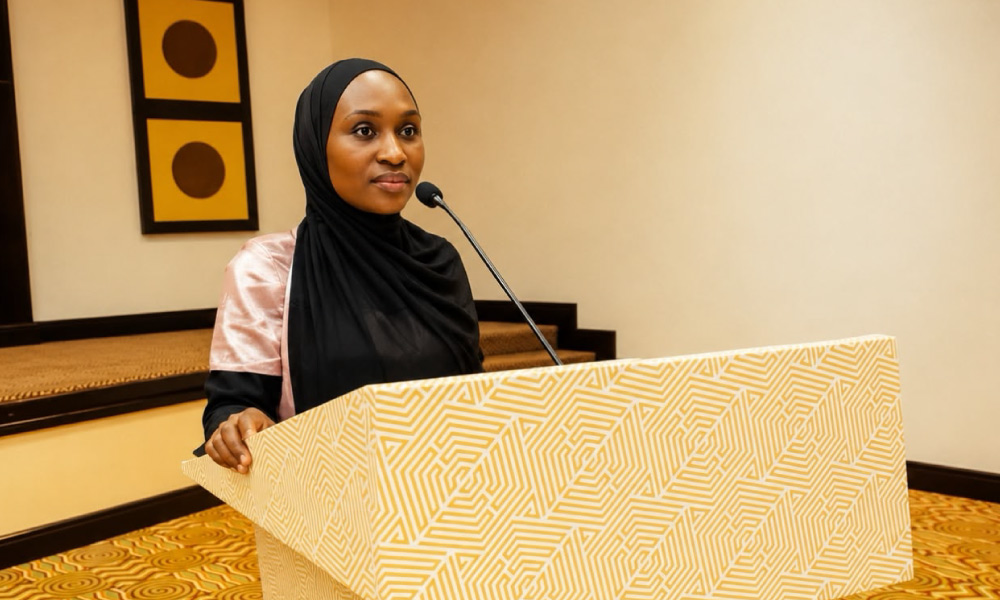
Nagadya Hamidah, a Lecturer at the Islamic University in Uganda (IUIU), presented a research paper at the 11th Criminology and Criminal Justice Conference held in Nairobi, Kenya, contributing to ongoing international discussions on justice reform and the future of criminal justice systems in post-colonial societies.
The paper, titled “Decolonizing Uganda’s Criminal Justice System,” examined the enduring influence of colonial legal traditions on Uganda’s criminal justice framework and proposed pathways for developing a more inclusive and context-responsive system of justice.
During her presentation, Nagadya explored how colonial legacies continue to shape key components of Uganda’s criminal justice system, including criminal law, policing, prosecution, adjudication, and correctional services. While acknowledging the significant progress achieved through constitutional and legislative reforms over the years, she emphasized the need for a justice system that more closely reflects Uganda’s historical experiences, cultural diversity, constitutional values, and the realities of the communities it serves.
Addressing delegates from across the globe, Nagadya noted that the process of decolonizing criminal justice extends beyond amending laws and policies. She argued that meaningful reform requires broader institutional transformation and a re-examination of how justice is conceptualized and delivered. Her presentation highlighted the importance of strengthening restorative justice approaches, recognizing appropriate indigenous justice mechanisms, enhancing access to justice, and fostering institutions that promote accountability, fairness, and public trust.
The research further underscored the need for any reform initiatives to remain firmly grounded in Uganda’s constitutional framework and aligned with international human rights standards. According to the presentation, balancing local realities with universal principles of justice is essential in building a criminal justice system that is both effective and responsive to contemporary societal needs.
The 11th Criminology and Criminal Justice Conference brought together academics, researchers, legal practitioners, policymakers, and criminal justice experts from various countries to discuss emerging issues and contemporary challenges affecting justice systems worldwide. The conference served as an important platform for the exchange of ideas, research findings, and best practices aimed at improving justice delivery and strengthening criminal justice institutions.
Nagadya’s participation at the conference highlighted the growing contribution of Islamic University in Uganda scholars to international academic discourse and research on governance, law, and social justice. Her presentation added to broader conversations on creating criminal justice systems that are culturally responsive, inclusive, and reflective of the needs and aspirations of the communities they serve.

14th Sep, 2026 1:46pm
10th Sep, 2026 2:15pm
10th Sep, 2026 12:23pm
